Working From Home - A Naval Architect
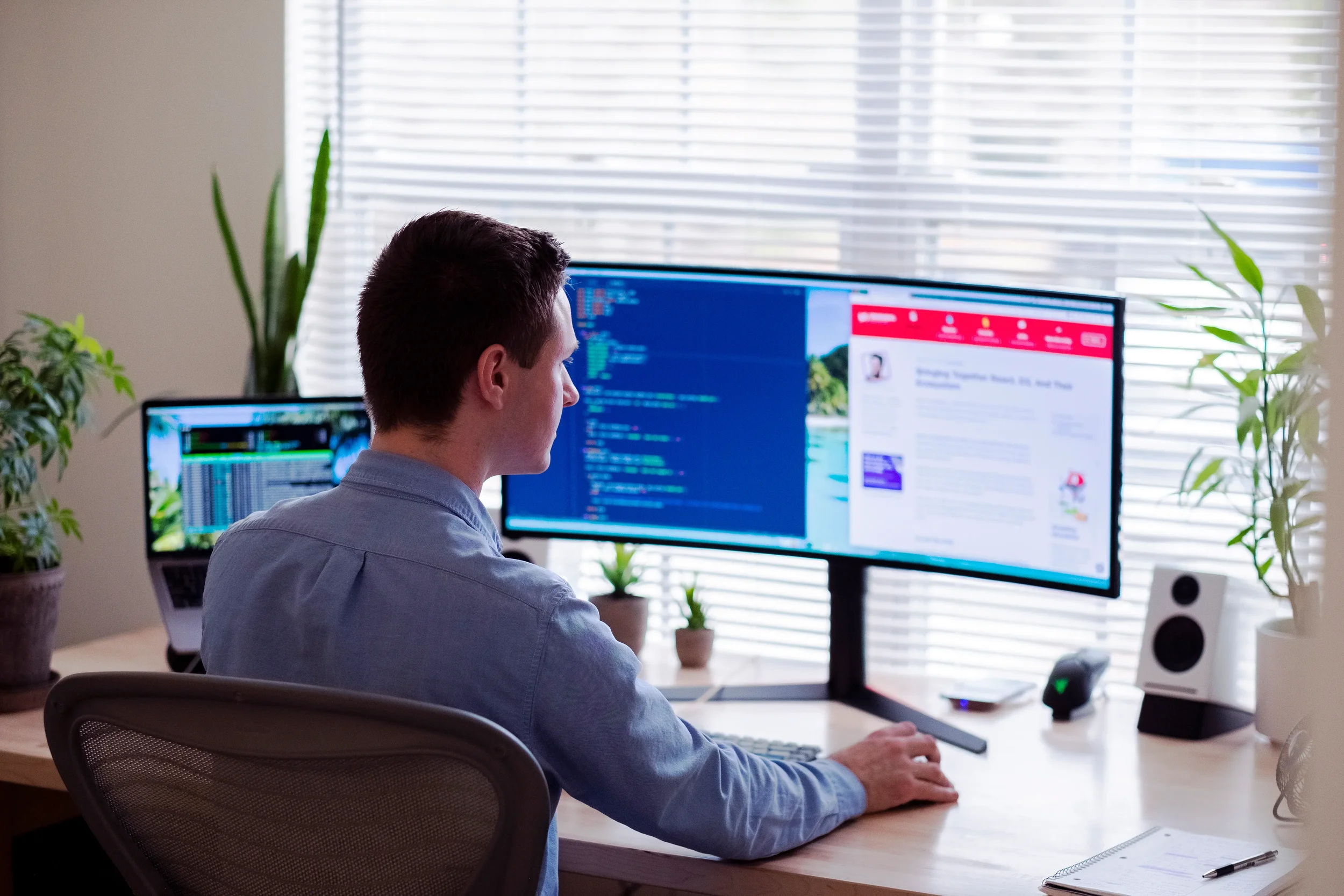
Naval architecture, the discipline of designing and constructing ships, has traditionally been a field that requires engineers to be physically present at shipyards or in offices. However, with the advent of advanced communication technologies and the growing trend of remote and freelance work, it is becoming increasingly possible for naval architects to work from home or as freelancers.
Scientific research has shown that remote work can have a number of benefits, including increased productivity and job satisfaction. A study conducted by Stanford University found that employees who worked from home completed 13.5% more calls than their in-office counterparts and reported higher job satisfaction.
In addition to the potential increase in productivity, remote work can also provide naval architects with greater flexibility and work-life balance. This can be especially beneficial for those who have long commutes or other personal commitments that make it difficult to work a traditional 9-to-5 schedule.
Freelance work can also offer naval architects the opportunity to take on a variety of projects and work with a diverse range of clients. This can lead to greater job satisfaction and professional growth, as well as the ability to set one’s own schedule and rates.
Famous naval architects and engineers have recognized the benefits of remote and freelance work. Marc Lombard, a renowned yacht designer, has said that “freelance work allows me to be more flexible and to work on a variety of projects, which keeps things interesting.” Similarly, Dr. Jorn Dallner, a professor of naval architecture at the University of Applied Sciences in Germany, has stated that “the ability to work remotely allows naval architects to be more productive and to take on a wider range of projects.”
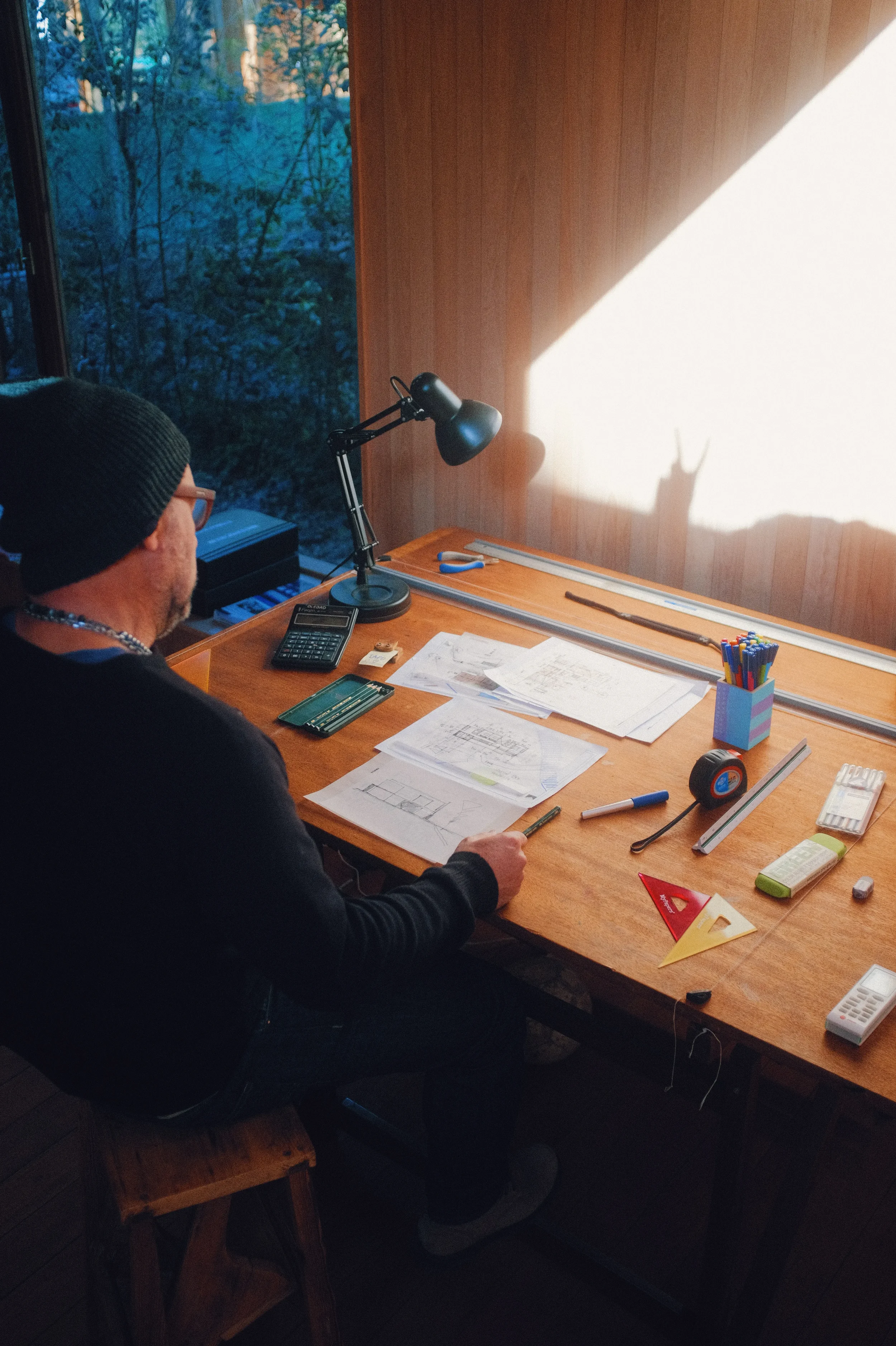
Despite the potential benefits of remote and freelance work, there are also some challenges that naval architects may face when working from home or on a freelance basis. One major challenge is the lack of in-person collaboration and mentorship opportunities. While communication technologies such as video conferencing can help to mitigate this issue, they may not fully replace the benefits of face-to-face interaction.
Another challenge is the lack of a clear separation between work and personal life when working from home. This can make it difficult to maintain a healthy work-life balance and can lead to burnout if not properly managed.
Additionally, freelance work can be unpredictable and may not offer the same level of job security as a traditional full-time position. Naval architects who work as freelancers may need to be proactive in seeking out new clients and projects, and may face challenges in terms of benefits such as health insurance and retirement plans.
Despite these challenges, many naval architects have found that the benefits of remote and freelance work outweigh the drawbacks. With careful planning and proper time management, it is possible for naval architects to successfully work from home or as freelancers while still maintaining a high level of productivity and job satisfaction.
Eray Ceylan
Naval Architect and Marine Engineer